
Business Ownership Coach | Investor Financing Podcast here to explain a simple, powerful path for business owners who want to own their commercial real estate and make energy upgrades at the same time. The SBA 504 green loan is designed for owner occupied commercial property and combines long-term fixed financing with the ability to include energy efficient and renewable improvements — often with as little as 10% down.
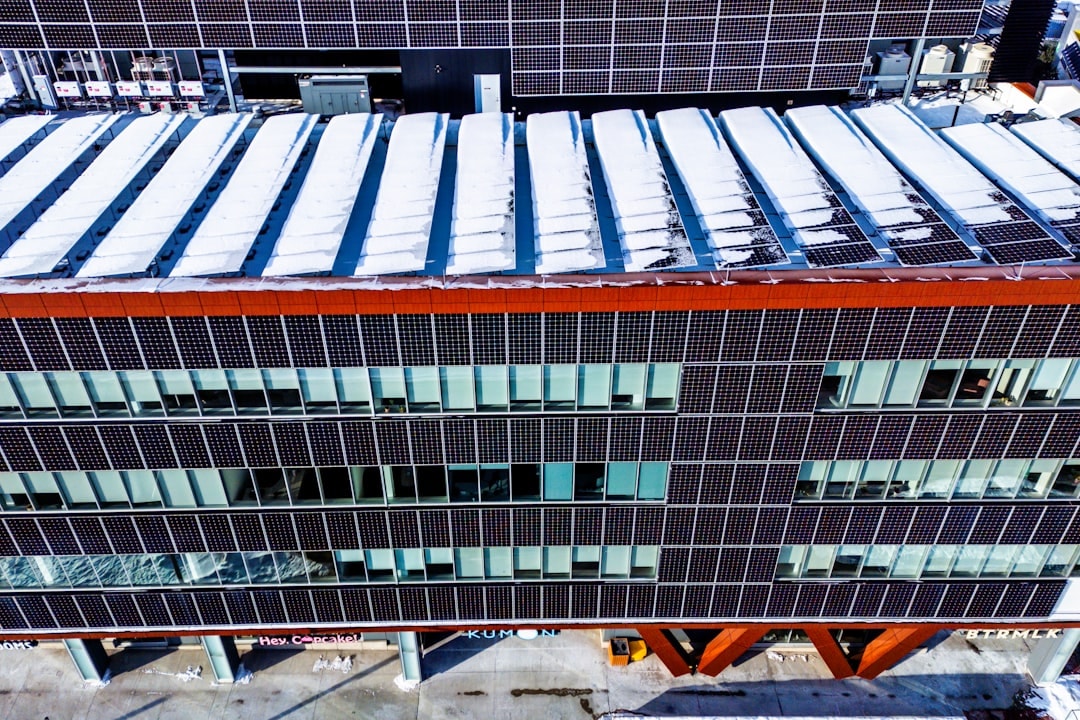
What the SBA 504 Green Loan Actually Is
The SBA 504 green loan is an owner-occupant commercial real estate program. It lets business owners buy land and buildings, build new facilities, renovate existing space, and bundle energy efficiency or renewable projects into the financing. The green component does not replace the 504 structure — it enhances it. That means you get the benefits of the standard 504 (long-term fixed rates, owner-occupied requirement, CDC partnership) plus expanded flexibility when qualifying improvements reduce energy or water use.
How the Loan Is Structured (50 / 40 / 10)
Here is the typical 504 structure simplified:
- Bank first mortgage — roughly 50% of total project cost and stays on the bank’s books long-term.
- Interim second loan from the bank — about 40% of the project initially, to cover construction or equipment until SBA takeout.
- Borrower equity — usually around 10% down.
The important clarification many miss: the bank funds both the first and the interim second loan at closing so the project can move forward. The SBA is not funding at that moment. That interim second loan is later paid off by the SBA debenture once the project is complete.
Why Banks Temporarily Carry Both Loans

Banks like this arrangement because it gives them control during construction and reduces their long-term exposure. Carrying the interim second loan lets the owner close, start construction, or buy the property without waiting for the SBA debenture process. When everything is finished and the certificate of occupancy is issued, the CDC packages the second loan and the SBA funds the debenture to take out the bank’s interim second loan.
This is standard practice and not a red flag when the transaction is structured correctly. The borrower still brings real equity, and the property stabilizes the long-term loans.
When the SBA Debenture Actually Funds

The debenture does not fund at closing. The debenture funds after the project is complete and the certificate of occupancy is issued. At that point the CDC finalizes the package and the SBA purchases the debenture. The SBA funds the permanent second loan, which pays off the bank’s interim second loan. Both the bank’s first mortgage and the SBA-backed second mortgage then move into long-term amortization. This allows the borrower to lock in fixed, long-term rates for the second portion while the bank retains the first lien.
Unlimited Green Projects and What Qualifies

One of the most powerful aspects of the green feature is that you can bundle multiple qualifying improvements into a single 504 green project. There is no SBA limit on the number of green improvements you include, as long as the overall project meets the green qualifications.
Common qualifying items include:
- Solar installations
- HVAC upgrades
- Energy efficient roofing and insulation
- Efficient lighting systems (LED retrofits)
- High-performance windows and water efficiency systems
Note that the maximum second loan for an SBA green project can be up to $5.5 million (subject to program limits at the time). That ceiling applies per project, but you can pursue unlimited future green projects. The green designation also lets larger project sizes and additional flexibility compared with a vanilla 504.
Top 5 Industries That Use SBA 504 Green
Manufacturing and Industrial
Manufacturers often face high energy bills and need specialized facilities. Using the 504 green loan, they can buy or build plants, upgrade power and HVAC systems, and install on-site generation like solar. Those investments lower operating costs and protect margins while building long-term real estate equity.

Medical and Health Care Practices
Medical practices benefit from owning their buildings to control overhead, create compliant clinical spaces, and improve patient comfort. Energy efficiency upgrades reduce utility costs and can be bundled into the financing so doctors can build equity instead of paying rent.
Hotels and Hospitality
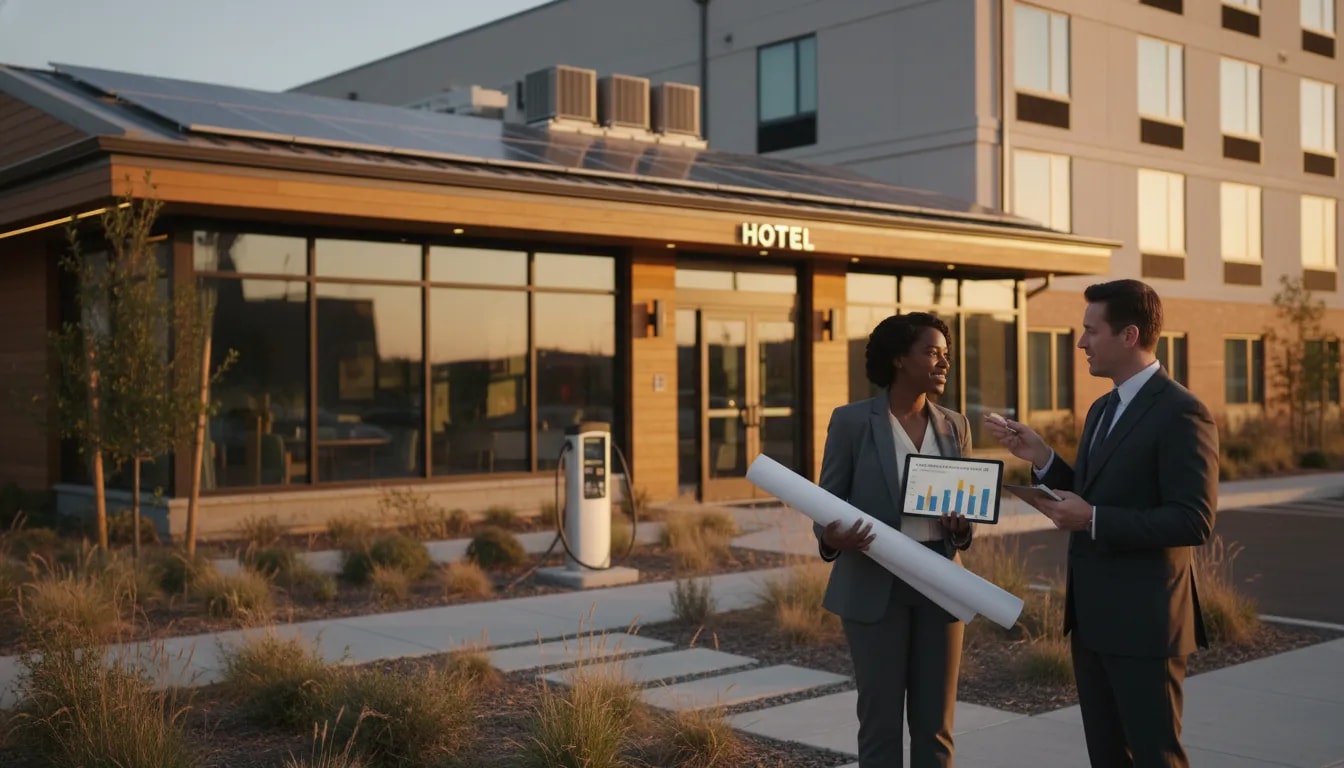
Hospitality operators use green improvements to renovate older properties and boost net operating income. Solar, efficient HVAC, and LED lighting directly reduce utility expenses and improve profitability. The fixed-rate nature of the 504 supports predictable cash flow.
Self Storage and Operator-Owned Real Estate
Self storage qualifies when the operator owns and runs the facility. Green upgrades like LED lighting, efficient construction, and solar reduce operating expenses. Owning the facility locks in real estate value while lowering long-term costs.
Daycares, Schools, and Training Centers
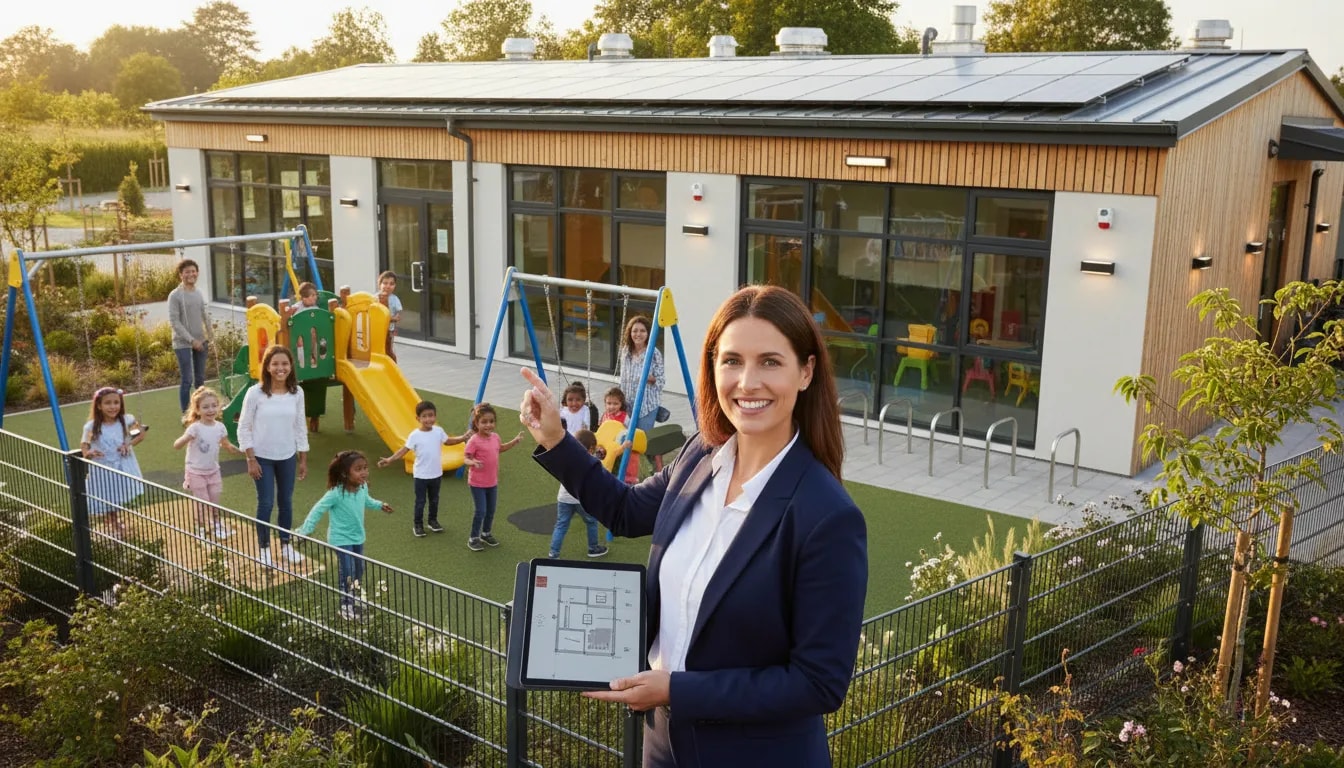
Educational and childcare facilities gain from energy efficiency because it improves safety, comfort, and budgeting predictability. Fixed payments make financial planning easier, and ownership creates long-term value for the organization.
Next Steps: How to Evaluate If This Is Right for You
If you are buying, building, or renovating owner occupied commercial real estate, the SBA 504 green loan should be on your shortlist. It combines low equity requirements with long-term fixed financing and the ability to finance energy improvements that lower operating costs.
Start by mapping your project costs, the energy improvements you want, and your ownership timeline. Work with a CDC and a commercial lender experienced with 504 green projects so the construction staging and SBA takeout are coordinated. Properly structured, the interim bank funding followed by SBA debenture takeout is routine and removes timing risk for your buildout.
Business Ownership Coach | Investor Financing Podcast proponents will tell you this: owning your facility and improving its efficiency is a way to lock in margins and build equity rather than renting inflationary space. If ownership fits your strategy, consider the 504 green route as a tool to scale responsibly.